Care guide
Snake Plant
Dracaena spp. (formerly Sansevieria)
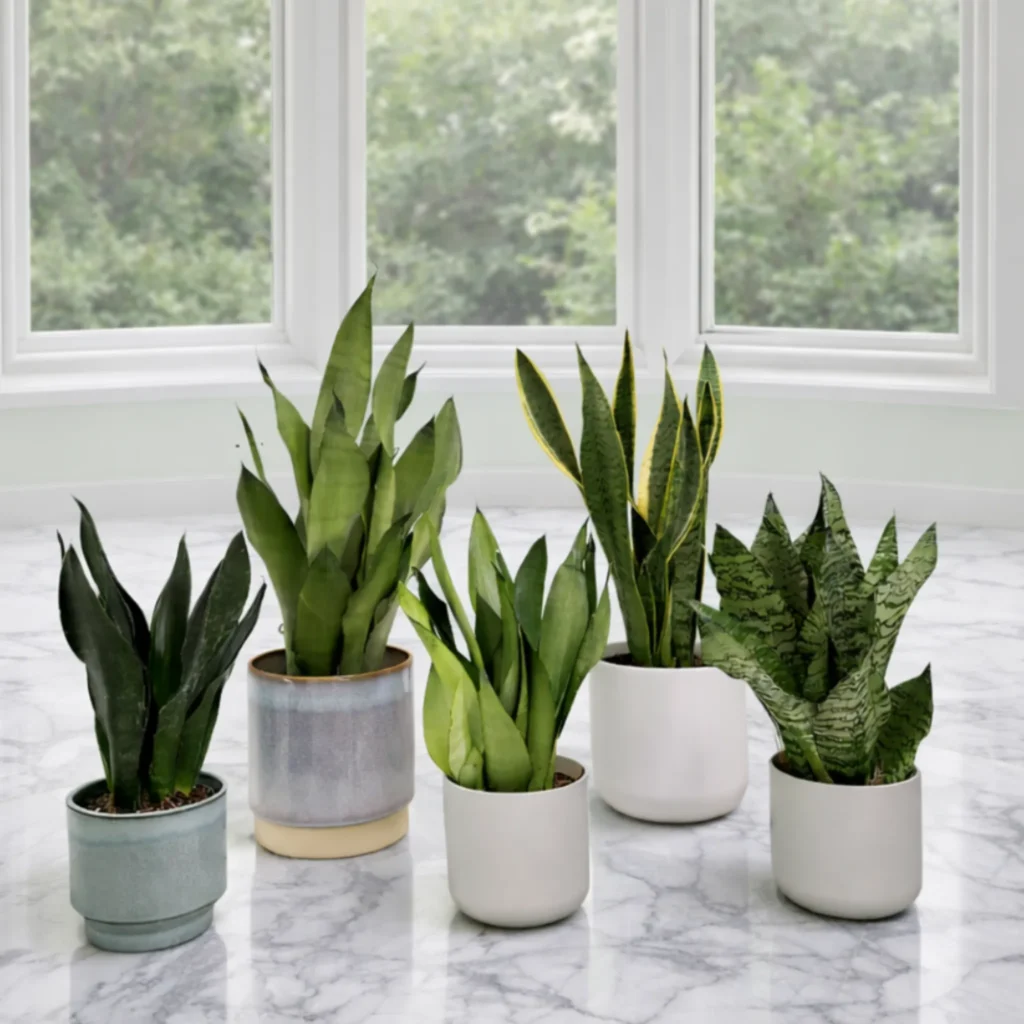
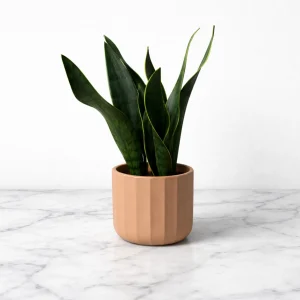
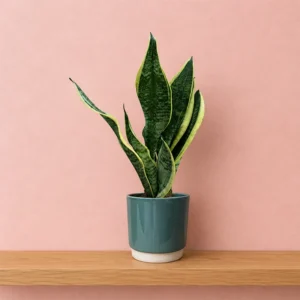
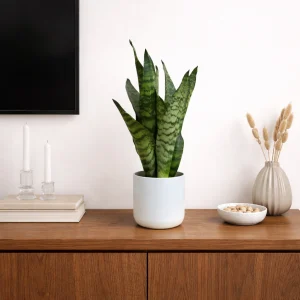
The plants for people who forget plants exist. Striking upright leaves, thriving on neglect and forgiving almost everything except too much water. This guide covers the succulent, rhizomatous snake plants formerly sold as Sansevieria — not the woody dragon trees.
At a glance
tap for detail ↓Just arrived?
Welcome home! A little settling-in is completely normal — here’s what to know in week one.
- Drooping or leaf drop can have several causes. Check the compost, drainage and growing conditions rather than assuming it is only travel stress.
- Keep a healthy plant in its nursery pot while it settles. If it keeps wilting, the compost stays waterlogged or roots look damaged, check the cause rather than waiting a fixed number of weeks.
- Follow the watering advice for this plant below. Check the compost first and let excess water drain before returning the nursery pot to its cover.
Light
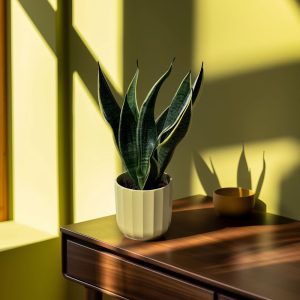
Snake plants genuinely cope anywhere from a bright windowsill to a dim corner — they just grow faster in better light. The only thing to avoid is scorching midday sun through south-facing glass in summer.
Watering
This is a succulent at heart: it stores water in those thick leaves. Check the soil every couple of weeks and only water when it’s dry well below the surface. In winter, once a month is usually plenty. When in doubt, don’t.
The dipstick check
Slide a wooden stick or skewer a few centimetres into the soil.
Pull it out and look: damp soil clinging on means hold off.
Use the watering advice for this plant to decide whether it is ready for a drink. When you water, let the excess drain.
Humidity & temperature
Completely unfussy about humidity — dry centrally-heated rooms are fine. Happy anywhere from 10–28°C; just keep it away from frost and it will keep quietly growing.
Feeding
Barely needs feeding — a cacti and succulent feed once in spring and once in midsummer is ample. Overfeeding does more harm than none at all.
Repotting & size
Snake plants like being snug in their pots and can stay put for years. Repot only when the roots visibly strain or crack the nursery pot, stepping up one size into a gritty, free-draining cacti mix.
Something wrong?
Most problems are fixable — find the symptom below.
Mushy leaves at the base
Cause
Overwatering — the one thing snake plants can’t forgive.
Fix
Stop watering, remove any collapsed leaves, and let the soil dry out completely. If rot has reached the roots, trim and repot into dry cacti mix.
Wrinkled, curling leaves
Cause
Very thirsty — it’s used up its stored water.
Fix
A rare sight, but easily fixed: water thoroughly, let it drain, and the leaves will plump back up within days.
Leaves flopping outwards
Cause
Not enough light over a long period, or a rootbound pot.
Fix
Move it somewhere brighter and check whether roots are bursting the pot.
Brown tips
Cause
Erratic watering or a cold draught.
Fix
Trim the tips with clean scissors if they bother you, keep watering consistent, and move it away from cold windows in winter.
Pale, washed-out stripes
Cause
Too much direct sun bleaching the variegation.
Fix
Pull it back from the glass — bright but indirect keeps the patterns sharp.
No growth at all
Cause
Winter dormancy, or deep shade.
Fix
Perfectly normal in winter. If it’s summer, brighter light will wake it up.
Meet the plant
Sansevieria
- Snake plants featured in NASA’s sealed-chamber air studies, and like other CAM plants they take in CO₂ at night — but that doesn’t mean one plant will noticeably clean the air in a normal room.
- Several snake-plant species have exceptionally tough leaf fibres; old common names such as bowstring hemp reflect their traditional use. The plants are toxic to pets if eaten.
- Botanists now include the old Sansevieria group within Dracaena, though Sansevieria remains the name most shoppers know. Their succulent, rhizomatous care still differs from woody dragon trees.
Seasonal care tips, four times a year
What to change as the light changes — no spam, ever.
The sign-up form is not available right now. Browse our care guides for plant advice without signing up.